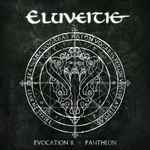
Celtic folk metal combines the amplified weight of metal with the melodies, instruments, and cultural imagery of Celtic traditions, particularly those of Ireland, Scotland, Wales, Brittany, and related diasporas. Emerging primarily in the 1990s alongside the wider folk-metal movement, it commonly features tin whistle, fiddle, uilleann or Highland pipes, bodhrán, bouzouki, and acoustic guitar alongside distorted riffs, forceful drumming, and harsh or clean vocals. Its subject matter often draws on Celtic mythology, pre-Christian belief, warfare, landscape, and historical memory. Cruachan, Waylander, Geasa, Aes Dana, Eluveitie, Tuatha de Danann, and Furor Gallico are among its notable practitioners, while Skiltron emphasizes Scottish rather than Irish traditions.
Unlike folk metal in general, the genre is defined by a specifically Celtic melodic and instrumental vocabulary rather than simply by the presence of folk elements. It may overlap with pagan metal through its treatment of ancestral religion and myth, with melodic death metal through fast riffing and growled vocals, and with Celtic metal through its cultural focus; however, its defining feature is the active integration of recognizable traditional tunes and performance practices into metal arrangements. The result can range from lively, dance-like reels and drinking songs to austere, atmospheric passages and aggressive battle music—an appealing meeting point between communal folk music and the physical intensity of metal.