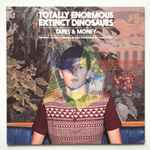
New rave emerged in the mid-2000s British indie scene as a day-glo collision between rock's raw energy and electronic music's synthetic pulse. Born from festival fields and sweaty club nights, the genre fused distorted synth lines, punk-influenced guitars, and four-on-the-floor beats into an urgent, maximalist sound designed for bodies in motion. Where electronic music often prioritized precision and indie rock guarded its analog authenticity, new rave reveled in the deliberate clash—think neon-soaked riffs battling vocoder hooks, all wrapped in an aesthetic borrowed equally from rave culture's euphoric abandon and post-punk's spiky attitude.
The movement's defining acts—Klaxons' cosmic noise-pop, Shitdisco's strobe-lit thrash, New Young Pony Club's bassline groove—rejected the polished minimalism dominating electronic music and the earnest introspection of contemporary indie. Instead, they embraced garish visuals, sci-fi imagery, and an unapologetic commitment to dancefloor chaos. The sound was deliberately abrasive yet infectious, built on sawtooth synths, shouted vocals, and rhythms that borrowed from electro's mechanized funk without losing rock's human mess.
Though the genre's heyday was brief, its DNA persists in any music unafraid to smash dancefloor euphoria into guitar-driven aggression. New rave proved that electronic and rock elements could coexist not through careful fusion but through exhilarating, Day-Glo collision—a sonic reminder that the best parties happen when boundaries collapse and nobody's guarding the velvet rope.