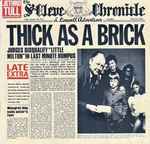
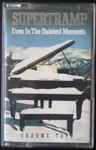
Progressive rock emerged in the late 1960s as ambitious musicians pushed beyond rock's three-minute conventions, fusing classical composition, jazz improvisation, and avant-garde experimentation into extended suites and concept albums. Characterized by complex time signatures, virtuosic instrumental passages, layered synthesizers, and literary or philosophical lyrics, the genre rejected the simplicity of standard rock in favor of sonic architecture—where a single track might traverse multiple movements, tempos, and moods. Pioneers drew from symphonic traditions and experimental studios to craft albums as cohesive artistic statements rather than singles collections, establishing a template that distinguished prog from its psychedelic rock ancestors through structural ambition and its classic rock contemporaries through sheer compositional density.
While alternative rock would later prioritize raw emotion and progressive metal would add extreme heaviness, prog rock occupies a middle ground of intellectual curiosity without genre rigidity—it's equally comfortable with pastoral folk interludes, jazz fusion breakdowns, or synth-driven soundscapes. The genre's golden era (1969-1977) produced landmark works blending mellotron mystique, Moog wizardry, and instrumental prowess that redefined what rock could attempt, though modern inheritors continue evolving its language through post-rock textures and metal influences.
Listen to progressive rock to hear musicians treating the studio as an instrument itself—where every transition is deliberate, every solo purposeful, and albums unfold like sonic novels demanding full immersion rather than passive background play.